
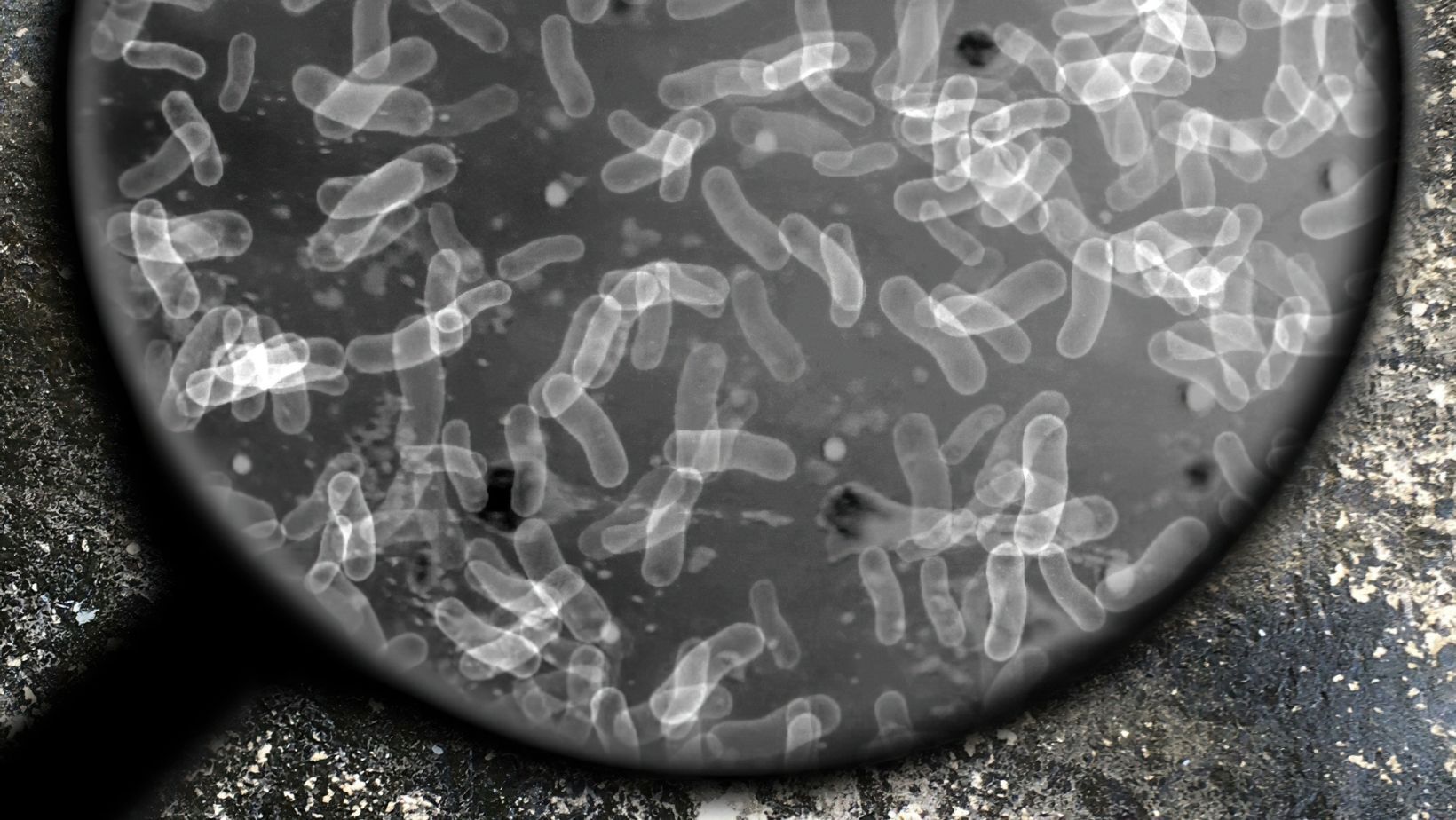
 Organisms are broadly divided into two major cellular types: Prokaryotes and eukaryotes.
Prokaryotes—like bacteria—are simple, single-celled organisms without a nucleus, while eukaryotes—such as fungi, plants, and animals—have more complex cells with a defined nucleus and organelles. Understanding these differences is key when working with them in culture, as their growth behavior and needs can vary significantly.
Prokaryotes
The shake flask is one of the most widely used vessels for culturing bacteria—and to a lesser extent, archaea—in the lab, particularly for research, screening, and small-scale production. Additionally, bacteria remain the primary workhorses in biological processes, still surpassing the number of cultivations involving fungi, mammalian cells, or other systems.
Bacteria are used for a diverse range of purposes, such as:
- Molecular cloning and genetic engineering (e.g., E. coli as a host for plasmid replication)
- Recombinant protein production (e.g., insulin, enzymes, growth factors)
- Metabolic engineering for production of valuable compounds (e.g., amino acids, biofuels, bioplastics)
- Synthetic biology applications (e.g., engineered biosensors, genetic circuits)
- Bioremediation (e.g., degradation of pollutants by Pseudomonas species)
- Industrial fermentation (e.g., production of lactic acid, ethanol, and antibiotics)
- Probiotic development (e.g., Lactobacillus and Bifidobacterium in gut health)
- Agricultural applications (e.g., nitrogen-fixing bacteria like Rhizobium, or biopesticides like Bacillus thuringiensis)
- Vaccine production (as expression systems or delivery vehicles)
- Basic research in microbiology, evolution, and cell biology
For production purposes, fast-growing bacterial strains with high oxygen demands—such as Escherichia coli, Corynebacterium glutamicum, Pseudomonas fluorescens, and Bacillus subtilis—are commonly used. In shake flask cultures, high shaking speeds and low filling volumes are typically beneficial for these organisms, as they improve oxygen transfer and support optimal growth. The optimal growth temperature depends on both the microbial species and the product being expressed. For example, E. coli grows best at 37 °C; However, higher temperatures reduce oxygen solubility in the medium, which can become a limiting factor in oxygen-sensitive processes.
Growth conditions and process requirements can vary significantly across bacterial and archaeal species due to their diverse physiological traits. Some bacteria, like Actinomycetes, form branched filaments resembling fungal mycelia, which introduces unique challenges in shake flask cultivation. Another critical factor is pH control. In fast-growing cultures, oxygen limitation, nutrient depletion, and accumulation of metabolic byproducts can lead to pronounced pH shifts. These fluctuations can impair microbial growth, inhibit target product formation, and even result in the buildup of toxic compounds.
Eukaryotes
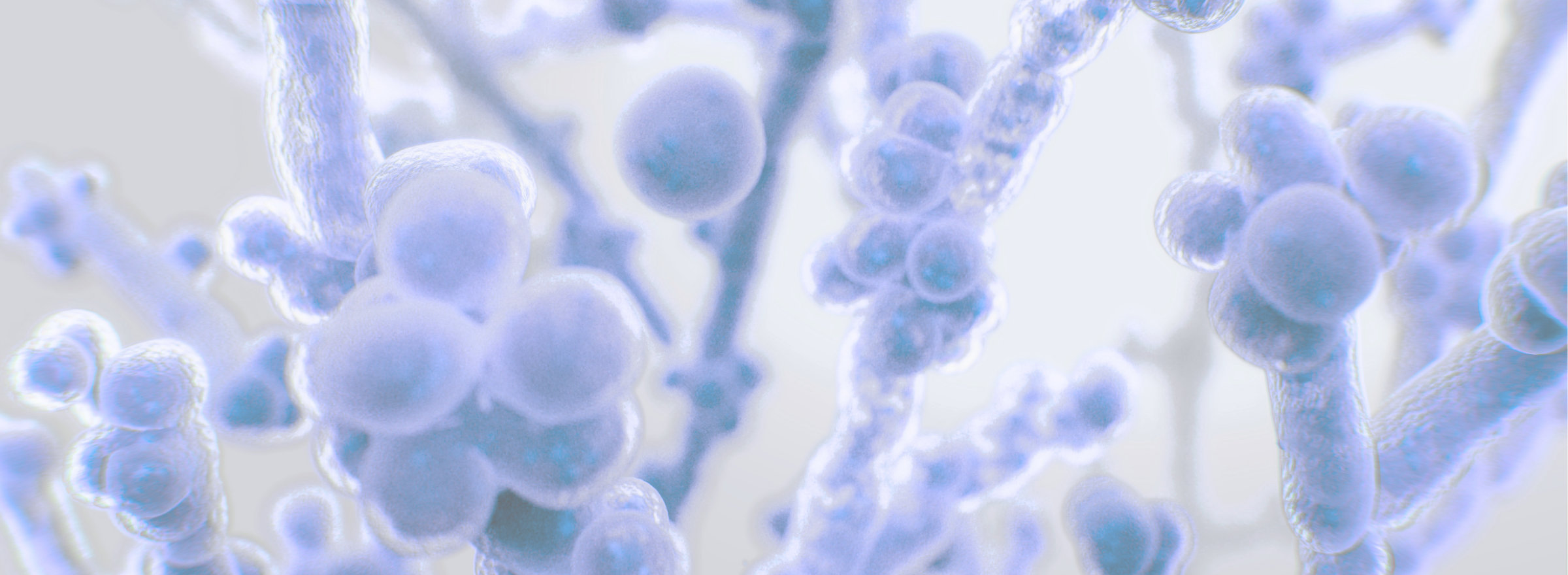
Eukaryotes are organisms whose cells contain a nucleus enclosed within a membrane, distinguishing them from prokaryotes like bacteria. This group includes animals, plants, fungi, and protists, and their cells are generally more complex, often containing multiple organelles such as mitochondria and endoplasmic reticulum. In biotechnology and research, eukaryotic microorganisms like yeast and filamentous fungi are frequently cultivated for protein production, metabolite synthesis, or enzyme studies. Shake flasks are a common and cost-effective method for cultivating these organisms in the lab, offering good aeration and mixing through orbital shaking. Parameters such as temperature, pH, and agitation speed can be optimized to enhance growth and productivity.
Prokaryotes |
Eukaryotes |
|
Cell Structure |
No membrane-bound organelles; simpler internal structure | Complex cells with nucleus and organelles |
Growth Rate |
Typically fast-growing (e.g., E. coli) | Slower growth rates (e.g., yeast, fungi) |
ShearSensitivity |
Generally more robust to shear stress | More shear-sensitive, especially filamentous fungi and mammalian cells |
ProductSecretion |
Often accumulate product intracellularly | More capable of secreting proteins and enzymes into the medium |
ContaminationRisk |
Lower risk due to fast growth | Longer cultivation times increase contamination risk |
Temperature
|
Commonly 30–37°C | More variable (e.g., 25–30°C for fungi, ~37°C for mammalian cells) |
Nutritional
|
Can grow in minimal media | Often need complex or enriched media |